How Does a Pusher Spring Work? Complete Guide | SEME Hardware
Published on June 29, 2026 | by SEME Editorial Team
In this guide:
What Is a Pusher Spring?
How Does a Pusher Spring Work?
Key Characteristics of Pusher Springs
Common Applications of Pusher Springs
Materials Used for Pusher Springs
Why Custom Pusher Springs Matter
Conclusion
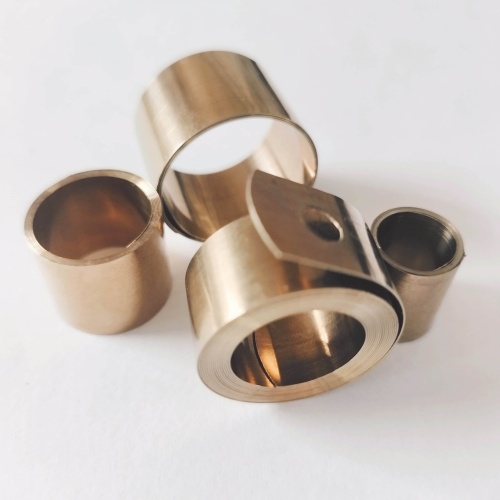
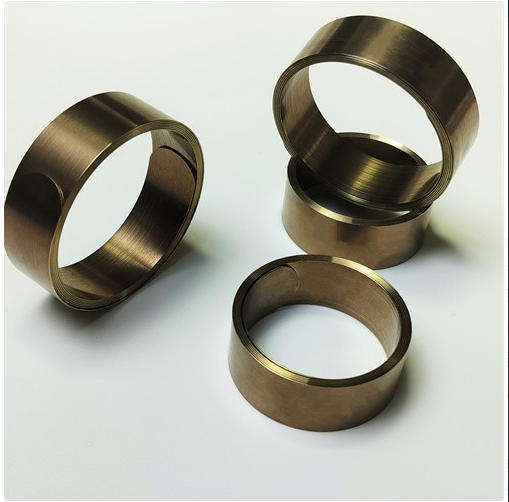
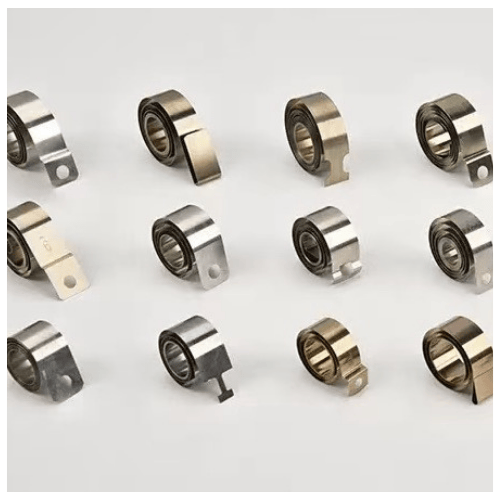
In many mechanical, industrial, and automation systems, pusher springs play a critical role in ensuring smooth movement, precise positioning, and reliable force transmission. Although small in size, these compact springs are essential components in feeding systems, assembly lines, and mechanical devices across various industries.
But how exactly does a pusher spring work? In this article, we break down the structure, working principle, key characteristics, and common applications of pusher springs — so you can understand how they function and choose the right one for your project.
Need a custom pusher spring for your specific application? Contact SEME Hardware for a free consultation.
What Is a Pusher Spring?
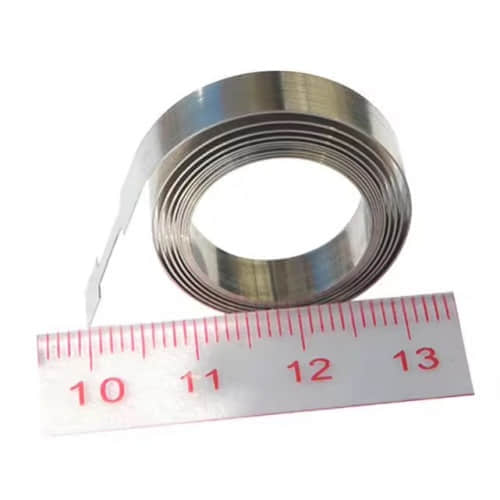
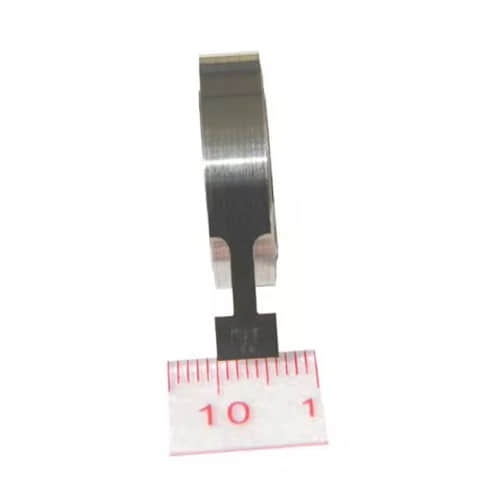
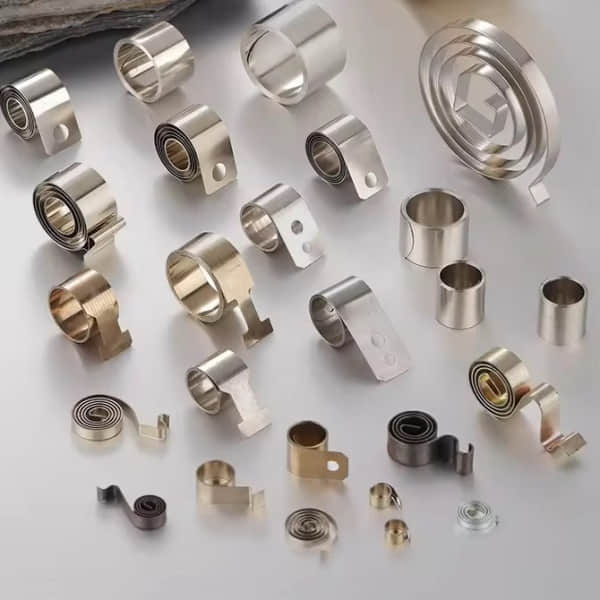
A pusher spring is a type of mechanical spring designed to apply a consistent pushing force to an object or component. When compressed, it stores mechanical energy and releases it by pushing the connected part back to its original or intended position once the load is removed.
Unlike extension springs that pull, or torsion springs that twist, pusher springs operate on compression — making them ideal for applications that require a forward-pushing or return force.
Pusher springs are commonly manufactured from high-quality spring steel and are engineered to deliver stable, repeatable force over thousands or even millions of cycles.
For more product options, visit our Pusher Springs product page.
How Does a Pusher Spring Work?
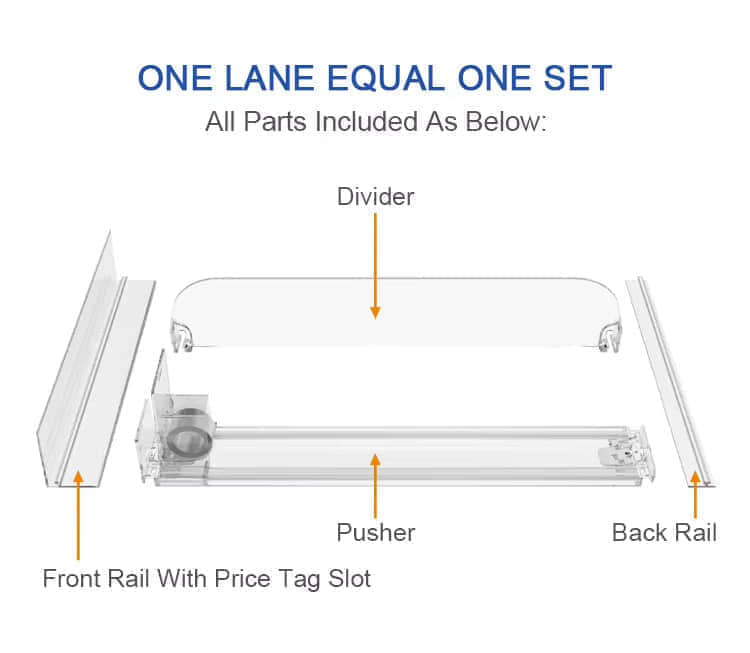
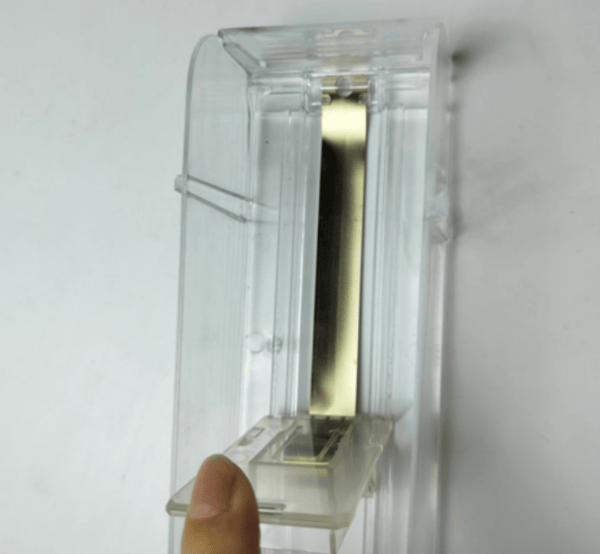
The working principle of a pusher spring is based on elastic deformation of the spring material. Here's a step-by-step breakdown:
Compression Phase
When an external force is applied, the pusher spring compresses along its axis. During this process, mechanical energy is stored within the spring material as the coils are pushed closer together.Energy Storage
The spring resists compression according to its spring rate (force per unit of deflection). The more it is compressed, the greater the pushing force it generates — following Hooke's Law within its elastic limit.Release & Push Action
Once the external force is reduced or removed, the spring releases the stored energy and pushes the component forward to its original or designated position.
This push-back force helps maintain alignment, spacing, or continuous movement in mechanical systems — making custom pusher springs indispensable in many automated processes.
Key Characteristics of Pusher Springs
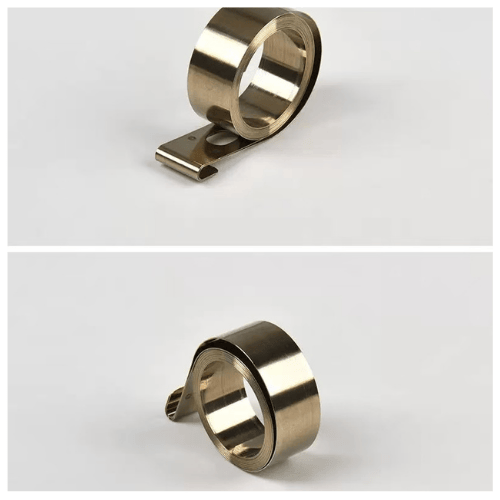
| Characteristic | Description |
|---|---|
| Consistent Push Force | Engineered to deliver stable, predictable force over repeated cycles |
| High Elasticity & Fatigue Resistance | Manufactured from high-quality spring steel for long service life |
| Compact Structure | Space-saving design, suitable for applications with limited installation space |
| Customizable Parameters | Wire diameter, outer diameter, free length, load, and material can all be customized |
| Corrosion Resistance Options | Available in stainless steel for harsh or outdoor environments |
💡 Pro Tip: When selecting a pusher spring, always consider both the working force and the solid height (fully compressed length) to ensure it fits your assembly correctly.
Common Applications of Pusher Springs
Pusher springs are widely used across various industries, including:
🍃 Feeding & Conveying Systems — Material pushers, feed mechanisms, and conveyor line positioning
🌾 Agricultural Equipment — Seed feeders, planting mechanisms, and farm machinery components
⚙️ Automation & Assembly Machinery — Part ejection, fixture positioning, and automated assembly lines
🔧 Mechanical Positioning Devices — Indexing mechanisms, detents, and locking systems
🏭 Industrial Hardware & Tooling — Clamps, quick-release mechanisms, and tool retraction systems
In feeding systems, pusher springs help ensure smooth material flow, proper positioning, and reliable operation — reducing downtime and improving overall efficiency.
Looking for a pusher spring for feeding system design? Request a quote and get expert support.
Materials Used for Pusher Springs
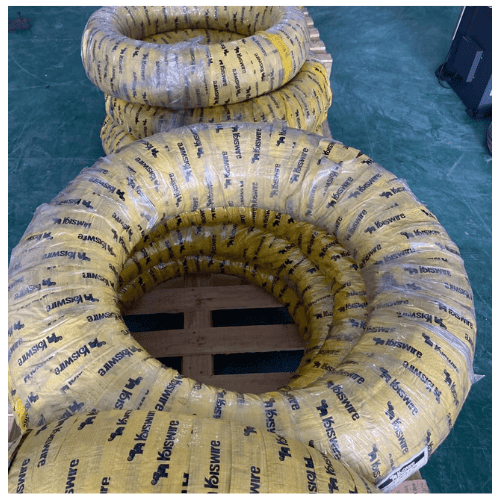
The choice of material directly affects a pusher spring's performance, durability, and cost. Common materials include:
Stainless Steel (SS301 / SS304) — Excellent corrosion resistance, ideal for outdoor, medical, or food-grade applications
High Carbon Spring Steel — Cost-effective with good elasticity, suitable for most indoor industrial applications
Alloy Steels — For high-temperature or high-stress environments
Material selection depends on the required load, working environment, corrosion resistance needs, and expected service life.
Why Custom Pusher Springs Matter
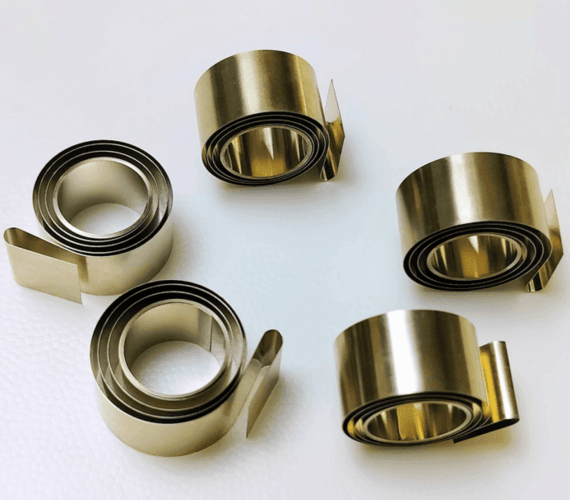
Off-the-shelf springs may not always match your exact requirements. Custom pusher springs ensure:
✅ Accurate force control — matched precisely to your system's needs
✅ Improved system stability — consistent performance over time
✅ Reduced wear — on mating components due to proper force matching
✅ Longer equipment lifespan — fewer failures and less maintenance
Working with an experienced pusher spring manufacturer helps ensure the spring design matches your system requirements precisely — from wire diameter and material selection to surface treatment and load testing.
Conclusion
A pusher spring works by storing energy during compression and releasing it as a controlled pushing force. Its simple structure and reliable performance make it an essential component in many mechanical and industrial systems.
Choosing the right design, material, and spring rate is key to achieving stable operation and long-term reliability.
Looking for a reliable pusher spring manufacturer for your next project? Contact SEME Hardware for a free consultation. We offer custom design, free samples, and no mold fees for small batch orders — with 15+ years of OEM manufacturing experience.
Get Your Free Quote Now