Constant Force Spring Manufacturing Process: A Complete Guide
Published on January 03, 2026 | by SEME Editorial Team
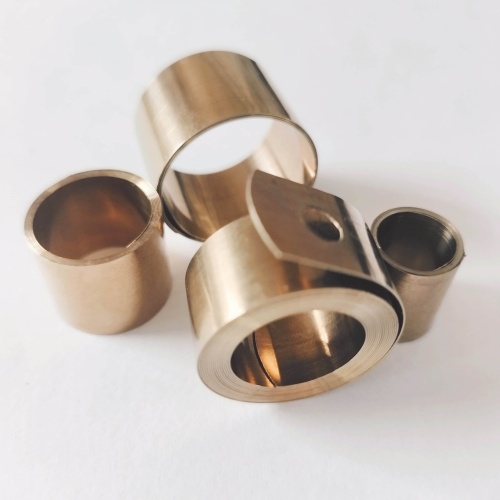
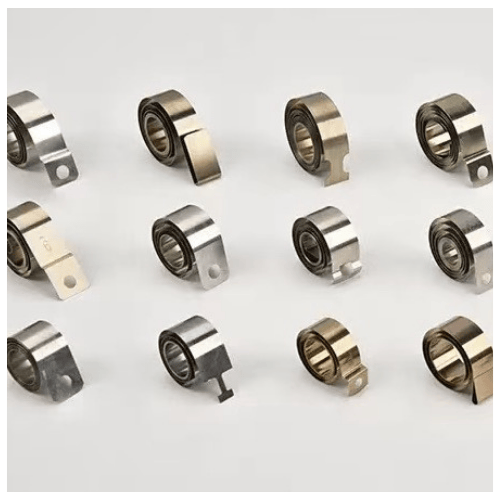
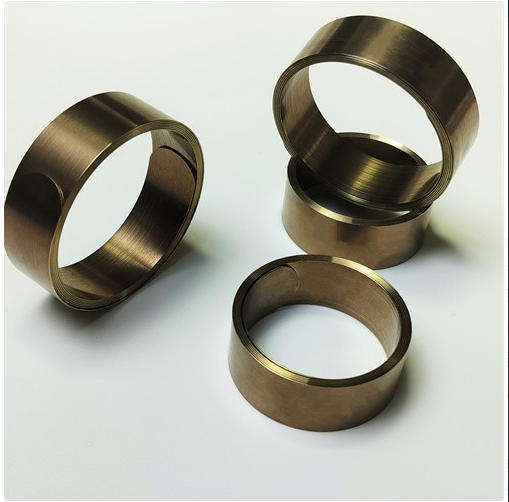
Constant force springs are widely used across industries — from industrial equipment and automation systems to cable balancers, medical devices, and retail display fixtures. What makes them unique is their ability to deliver a nearly constant force throughout their entire deflection range, unlike traditional helical springs whose force increases 片位with extension.
But how exactly are constant force springs manufactured? In this article, we break down the complete manufacturing process — from raw material selection to final quality control — so you can better understand what goes into making a high‑quality constant force spring.
1. Raw Material Selection: The Foundation of Performance
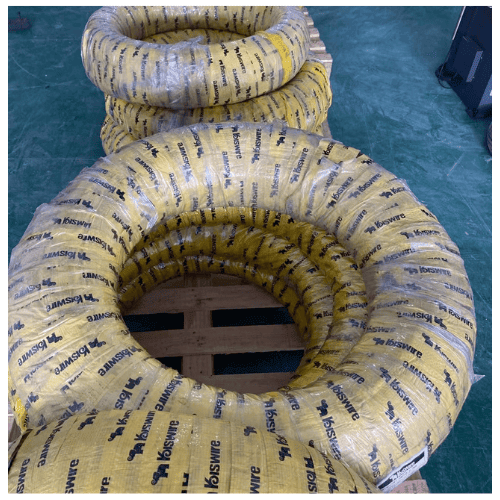
The first and most critical step is selecting the right raw material. The choice directly impacts force output, fatigue life, corrosion resistance, and overall performance.
Common Materials Used:
Stainless Steel Strip (SS301 / SS304) — The most popular choice for applications requiring corrosion resistance and high fatigue life. Commonly used in medical devices, food equipment, and outdoor applications.
Carbon Steel Strip — A cost‑effective option for indoor applications where corrosion resistance is not a primary concern. Offers excellent elasticity at a lower price point.
Other Specialty Alloys — For extreme temperatures or special environments, custom alloys such as Inconel or Elgiloy may be used.
💡 Industry Tip: The thickness and width tolerance of the raw material strip directly affects force consistency. Premium suppliers use material with ±0.005mm thickness tolerance for the best results.
2. Spring Forming: Shaping the Coil
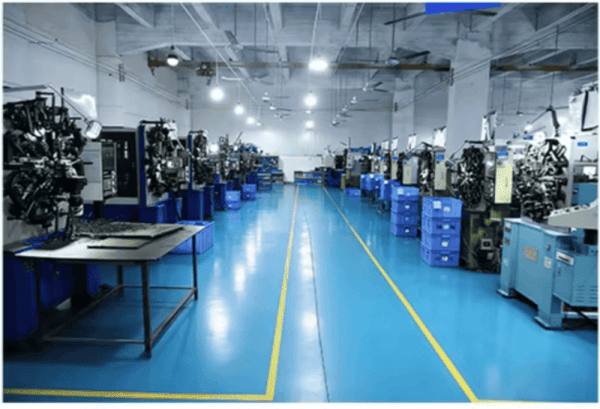
Once the material is selected, the strip is fed into a precision forming machine that wraps it around a mandrel to create the characteristic coil shape.
The width of the strip determines the type of equipment used:
Width ≤ 35 mm — Standard precision forming machines are used for smaller, more delicate springs.
Width > 35 mm — Larger, customized forming machines are required for heavy‑duty springs with wider strips.
The key to a good constant force spring lies in the precision of the coil diameter and the uniformity of each wrap. Even minor variations can lead to inconsistent force output during operation.
3. Special Processing Techniques
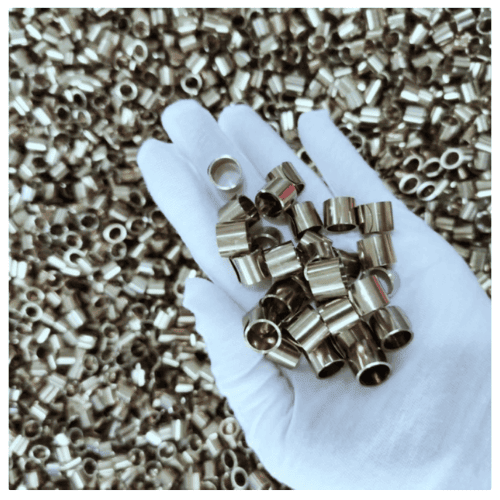
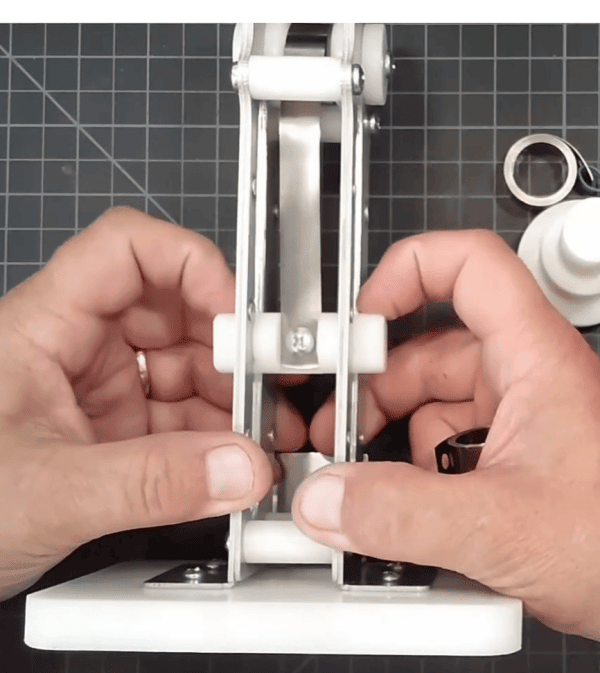
For demanding applications, additional processes are applied to enhance performance:
Oil Soaking — The spring is soaked in specialty lubricating oil to reduce friction between coil layers during extension and retraction. This ensures smoother operation and extends service life.
High‑Temperature Baking / Heat Treatment — A controlled heat treatment process relieves internal stresses built up during forming, improving anti‑fatigue performance and long‑term force stability.
These treatments are especially important for constant force springs used in high‑cycle or high‑load environments, such as cable retractors, counterbalance systems, and automotive components.
4. Quality Control: Ensuring Consistency
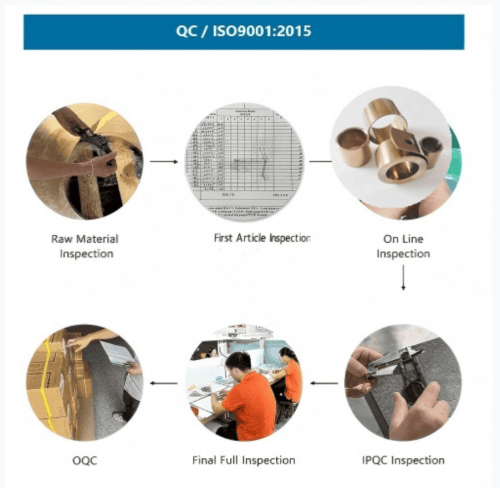
Quality control is what separates a reliable constant force spring from a problematic one. A thorough QC process includes:
| QC Stage | What's Checked |
|---|---|
| Incoming Material | Material certificate, thickness tolerance, surface finish |
| In‑Process Inspection | Coil diameter, strip width, forming accuracy |
| Force Testing | Force value at multiple extension points, force deviation rate |
| Final Inspection | Dimensions, appearance, corrosion resistance (salt spray test if required) |
At SEME Hardware, a China‑based spring manufacturer with 15+ years of OEM experience, every batch of constant force springs undergoes 100% force testing before shipment to ensure force deviation stays within ±5%.
5. Common Applications of Constant Force Springs
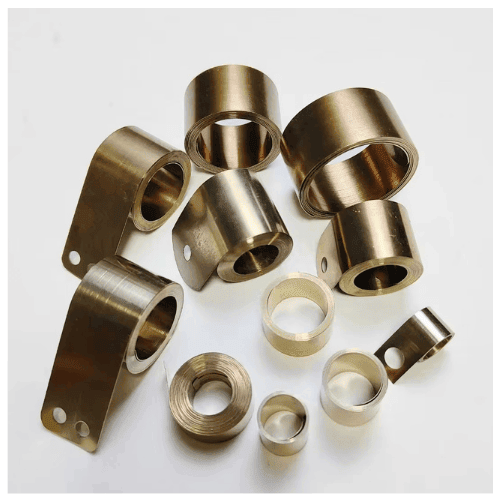
Constant force springs are used across a wide range of industries:
🏭 Industrial Automation — Cable balancers, tool retractors, counterbalance systems
🏥 Medical Devices — Surgical instruments, hospital bed adjustments, infusion pumps
🛒 Retail Displays — Shelf pushers, POP display mechanisms
🚗 Automotive — Seatbelt retractors, adjustable components
📺 Electronics — Monitor height adjustment, keyboard drawer mechanisms
Conclusion
The constant force spring manufacturing process is a combination of precision engineering, material science, and strict quality control. From selecting the right stainless steel strip to the final force testing, every step contributes to the spring's performance and reliability.
When sourcing constant force springs, it's important to work with a manufacturer that understands these processes and can consistently deliver high‑quality products.
If you're looking for a reliable constant force spring manufacturer for your next project, contact SEME Hardware for a free consultation. We offer custom design, free samples, and no mold fees for small batches.